
WHY WOMEN ARTISTS STILL CASH IN LESS
- COVL

- Dec 1, 2025
- 4 min read
Updated: Mar 18
When the news that Frida Kahlo made history for selling "El sueño (La cama)" at $54M, the media celebrated this as a record high
for women artists. Yet my antennas perked up because I recalled how Leonard da Vinci clocked in at $450M, making the gap a little too loud for me.
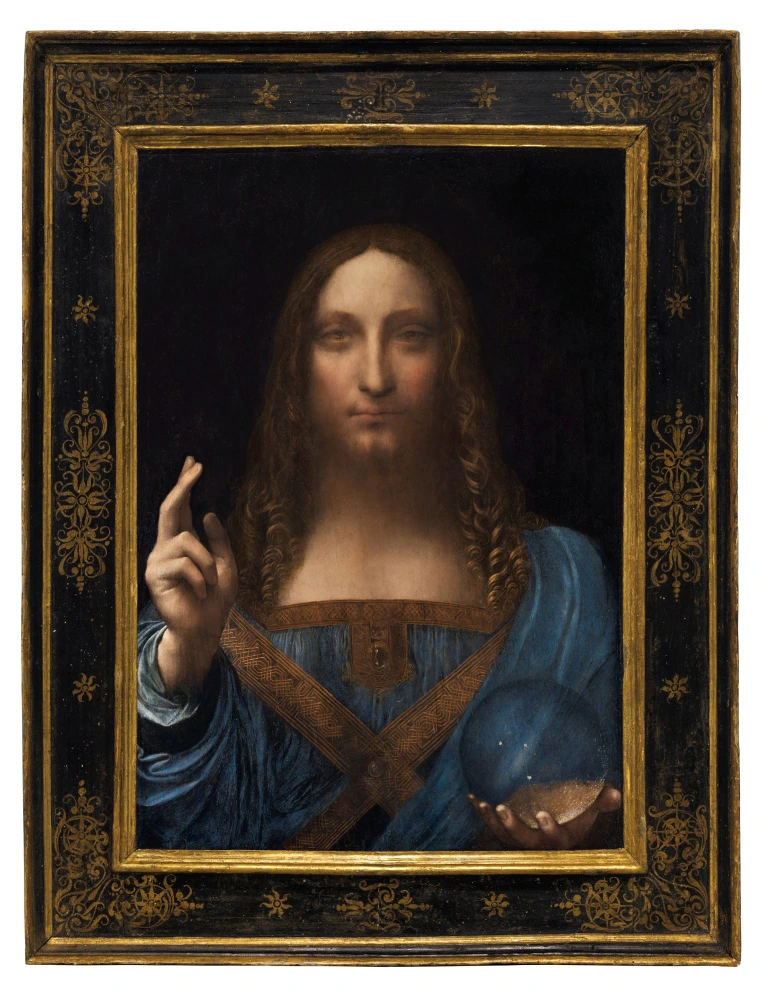
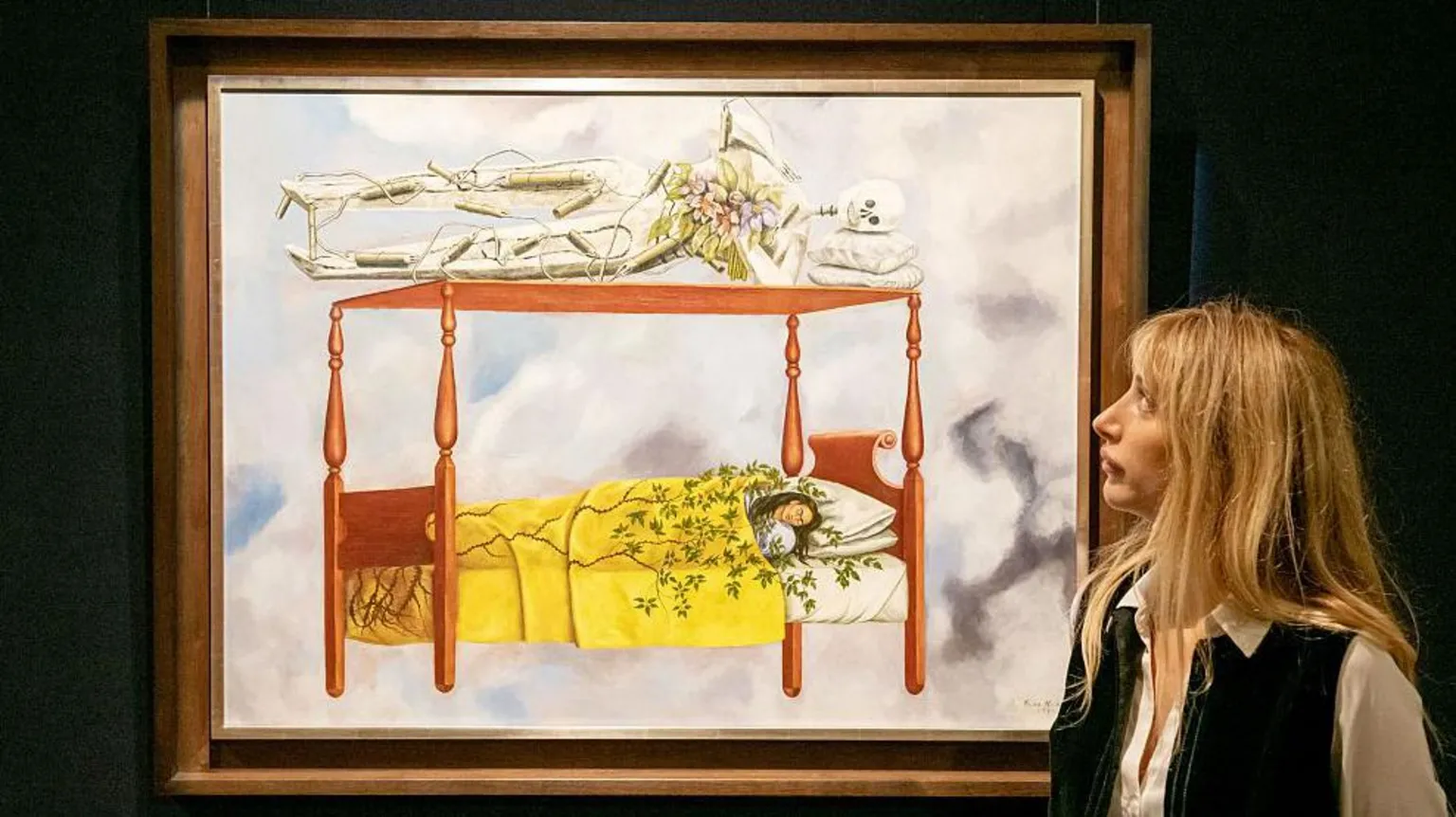
This led me down a rabbit hole, learning about why there is such a disparity between how much women get paid in comparison to men
in the arts. I've learned that it has a lot to do with bias, lack of access to opportunities, and history.
Here are five factors backed by facts as to why women are
playing catch-up in the art world. Shall we?
1. Museums still play favorites
Museums are like the ultimate scorekeepers for who “matters” in art. And historically, they’ve been biased.
A survey across 18 major U.S. museums found 87% of artists in permanent collections are men | Carnegie Mellon Shorthand Story
Women only make up about 11% of acquisitions | The Guardian
Meaning: if museums don’t collect and display women’s work,
it’s harder for the market to see it as valuable.
Auction houses notice that stuff.
2. Women were locked out of the art world for centuries
Before the 20th century, women weren’t just underrepresented,
they were systematically excluded from the foundations of an art career, think: education, apprenticeships, guilds, and professional networks.
Many formal art academies didn’t admit women until the late 19th or early 20th century.
Large-scale commissions, travel scholarships, and gallery access were almost exclusively reserved for men.
This means that women didn’t fully participate in the commercial art world until fairly recently. So, it’s no surprise that the historical market, which informs today’s auctions, skews heavily towards males.
3. Getting in the room and getting paid are two different things
You might think that as representation improves, pay would follow. But I found the reality to be a lot more complicated.
A 2017 study of 1.5 million auction transactions found that works by women sold for 47% less than similar works by men. That figure is from nearly a decade ago and while the market has grown since then, the revenue gap hasn't closed. It's just moved.
Since originally posting this, I wanted to update you all on the most current data:
Gallery representation for women reached 50% at primary market galleries in 2025. In my opinion? A real milestone
Galleries with revenue above $10 million, women only account 27% of those sales | Art Basel / UBS Art Market Report 2026
So yes, getting in the room is one thing but getting paid equally in it is another. Yet the doors are opening but I need the checks to catch up.
4. Gatekeepers still skew male
Auction prices aren’t just about talent; they’re about momentum. And momentum comes from curators, critics, dealers, and galleries. Guess what? Most are men.
11 out of the 500 most expensive works sold at auctions from 2015 to 2025, were by women.| Art Basel / UBS Art Market Report 2026
Frida Kahlo's record-breaking sale of El Sueño (La cama) ranks only 70th on the list of the 500 most expensive works sold at auction.
If you’re not in the room where value is set, it’s hard to reach sky-high prices.
5. Collectors buy what they know
High-end auctions are mostly driven by wealthy collectors, mostly men who tend to buy artists they already recognize.
And historically? Those names are mostly male.
Over 90% of artworks sold above $10 million are by men Artprice by ArtMarket 2023
This isn’t a knock on collectors; it’s a system built over centuries that’s slow to change. But does slow mean to stop?
Looking forward...
The gender gap in art sales isn’t just about talent.
It’s also about history, bias, and opportunity.
Women were shut out for generations, so it makes sense that the market still undervalues their work. Yet looking forward, I can also notice the shifts. While it's complex, it is indeed a record for Frida, for women in the arts, when you zoom in.
Women's share of gallery sales by value grew from 28% in 2018 to 37% in 2025. That's nearly a decade of consistent movement in the right direction.
44% of ultra-contemporary women artists, those born after 1975, now account for auction sales. The youngest generation of buyers is already rewriting the rules. | Artsy Women Artists Market Report 2024
46% of high-net-worth women spend more on art and antiques than men in 2025. Millennial and Gen-z women are leading this shift and they are actively choosing to invest in women's work. In my opinion, these stats are giving "she's a girls-girl". | Art Basel / UBS Survey of Global Collecting 2025
This last finding is the one that excites me most. It's not just that the market is slowly correcting itself, it's that women with money are making an active choice. It's the women who are putting their dollars behind the artists, that the traditional market have overlooked for centuries.
And while the gap is still very real, the narrative is shifting. And for anyone like me, trying to navigate and understand this art world from the inside, watching this slowly change is honestly kind of thrilling.

Comments